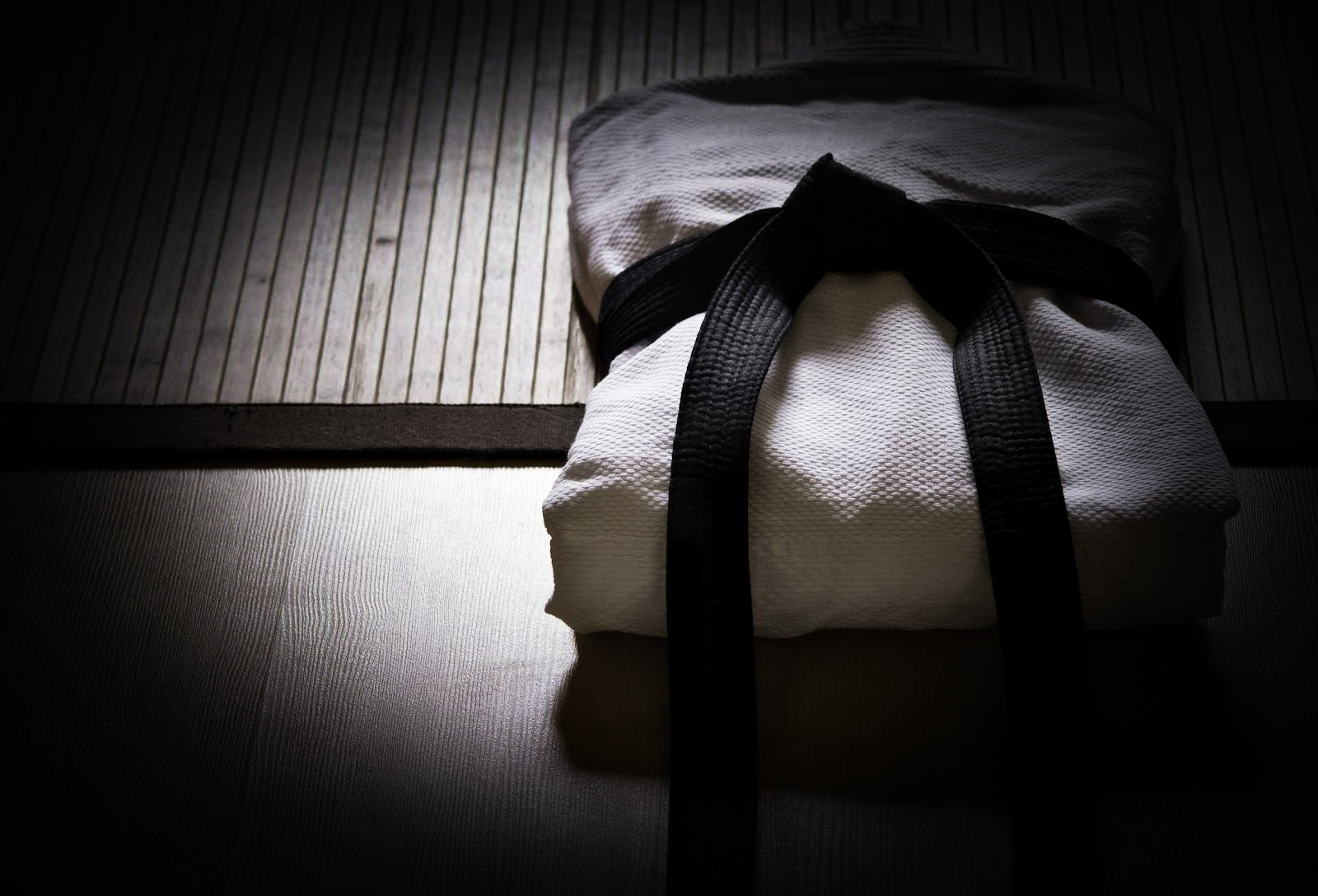
For more than four decades, I have walked the path of Traditional Tang Soo Do – first as a student, then as a teacher, and now as a writer. My training began in Chong Dong Ri, South Korea under the late Master Yun Tak Bong, whose instruction shaped not only my understanding of martial technique, but also the deeper principles of discipline, perseverance, and lifelong practice.
Today my focus has shifted from teaching to preserving the lessons learned through that journey. Through essays and books, I share the training methods, philosophy, and reflections that come from a lifetime devoted to the martial arts – refined for strength, health, and longevity.
The Legacy of My Training
- Over 40 years of martial arts study
- Training under the late Master Yun Tak Bong
- Experience teaching seminars and classes
- Experience creating online courses and teaching students online
- Evolution toward lifelong training and health
- Training in various martial arts
Martial Arts Studied
- Traditional Tang Soo Do
- Tae Kwon Do
- Shotokan Karate
- Sin Moo Hapkido
- 8 Step preying Mantis Kung Fu
- Tracy Kenpo
- Suenaka Ha Tetsugaku Ho Aikido
- Yang Tai Chi
- Chung Do Kwan Tae Kwon Do
- Combat Hapkido
- Combat Hapkido Ground Fighting
- Sun Style Tai Chi (Tai Chi for Arthritis)

The Wisdom of Taking a Break
The Tang Soo Do Tenets: Building Faith, Discipline, and Character
My Karate Legacy
The Warrior’s Ethic
Finding MY Tang Soo Do
Going Deep In Your Tang Soo Do Training


My journey in the martial arts began more than forty years ago at age eleven, when I first saw the pilot movie for the TV series “Kung Fu”. I would read every book I could find at the public library and fell in love with the art of Karate.
My journey officially started in 1985 when I first stepped onto the dojang floor to study Traditional Tang Soo Do in South Korea under the late Master Yun Tak Bong. Under his guidance I was introduced not only to the physical techniques of the art, but to the deeper principles of Moo Do that give martial arts their lasting value – respect, discipline, perseverance, honor, humility, and the quiet determination to improve oneself over time.

Throughout the years I devoted myself to both training and teaching. I led classes, and combined with my Faith, started a successful martial arts ministry. I conducted seminars, and created online courses which helped over 800 students in 26 countries begin their own journeys in Tang Soo Do. Teaching others reinforced what my instructors had shown me: that the martial arts are not merely about techniques and rank, but about cultivating character and a warrior spirit through constant practice. Every class taught and every student helped strengthened my appreciation for the responsibility carried by those who pass knowledge forward.
Along the way I also had the opportunity to study other martial systems under highly respected instructors, sensei, and masters. These experiences broadened my understanding of movement, body awareness, conditioning, and martial philosophy, while continually bringing me back to the foundations of Tang Soo Do that shaped my training from the beginning. Each influence added depth to my understanding, but the core lessons remain rooted in the traditions and discipline I first learned.
Today my role has shifted. Rather than standing at the front of a class, my focus has turned toward reflection and writing. Through essays and books, I hope to preserve the lessons learned through decades of training – lessons passed down from my teachers and refined through personal experience. In doing so, I aim to share the training methods, principles, and reflections that have allowed martial arts to remain a meaningful part of my life well beyond youth and into my later years.

The martial arts are often thought of as something pursued in our youth – years spent chasing rank, competition, and physical achievements. Yet those who remain on the path long enough eventually discover that the true value of training reveals itself slowly, over decades rather than years.

With time, the focus of practice begins to change. Power gives way to efficiency. Speed gives way to timing. Ambition gradually transforms into quiet discipline. The goal is no longer simply to perform techniques, but to continue training in a way that strengthens the body, sharpens the mind, and sustains health for the long journey ahead.
This evolution is part of what makes the martial arts unique. Systems such as Tang Soo Do were never intended to be temporary pursuits. They were designed as lifelong practices – paths that guide individuals through different stages of life while continuing to offer challenge, structure, and meaning.
For many practitioners, there comes a point when the responsibility shift from learning to preserving. The lessons received from teachers, instructors, and fellow students carry value that should not be lost with time. Writing becomes one way to pass those lessons forward, ensuring that the philosophy, discipline, and training methods that shaped our own development remain available to others who seek them.
The martial path therefore never truly ends. It simply changes form. Training continues through movement, reflection, and the sharing of knowledge. Each generation receives the lessons of those who came before and adds its own experience before passing them onward.
In this way, the spirit of the martial arts endures – one practitioner, one lesson, and one lifetime at a time.


