

Why Taking a Break From Training Matters After 50
For many lifelong martial artists, the idea of taking a break from training feels foreign—sometimes even uncomfortable. We are conditioned to value perseverance, discipline, and consistency. We pride ourselves on showing up, pushing through fatigue, and refusing to quit.
Yet there comes a time—especially at almost 60—when continuing forward requires stepping back.
Not as surrender.
Not as weakness.
But as wisdom.
The Reality of the Aging Body
After 50, the rules change.
Recovery slows.
Inflammation lingers longer.
Joints become less forgiving.
Old injuries resurface.
Even the most dedicated practitioner cannot negotiate with biology. Tendons heal more slowly. Cartilage tolerates less abuse. Sleep, stress, and nutrition begin to influence performance more dramatically than they once did.
What once required a day of rest may now require a week.
Ignoring this reality does not demonstrate toughness—it accelerates breakdown.
Breaks Are Not Setbacks
There are seasons when stepping away from physical training becomes necessary:
- After surgery
- During injury recovery
- When chronic pain signals overload
- When fatigue becomes systemic rather than muscular
- When life stress compromises healing
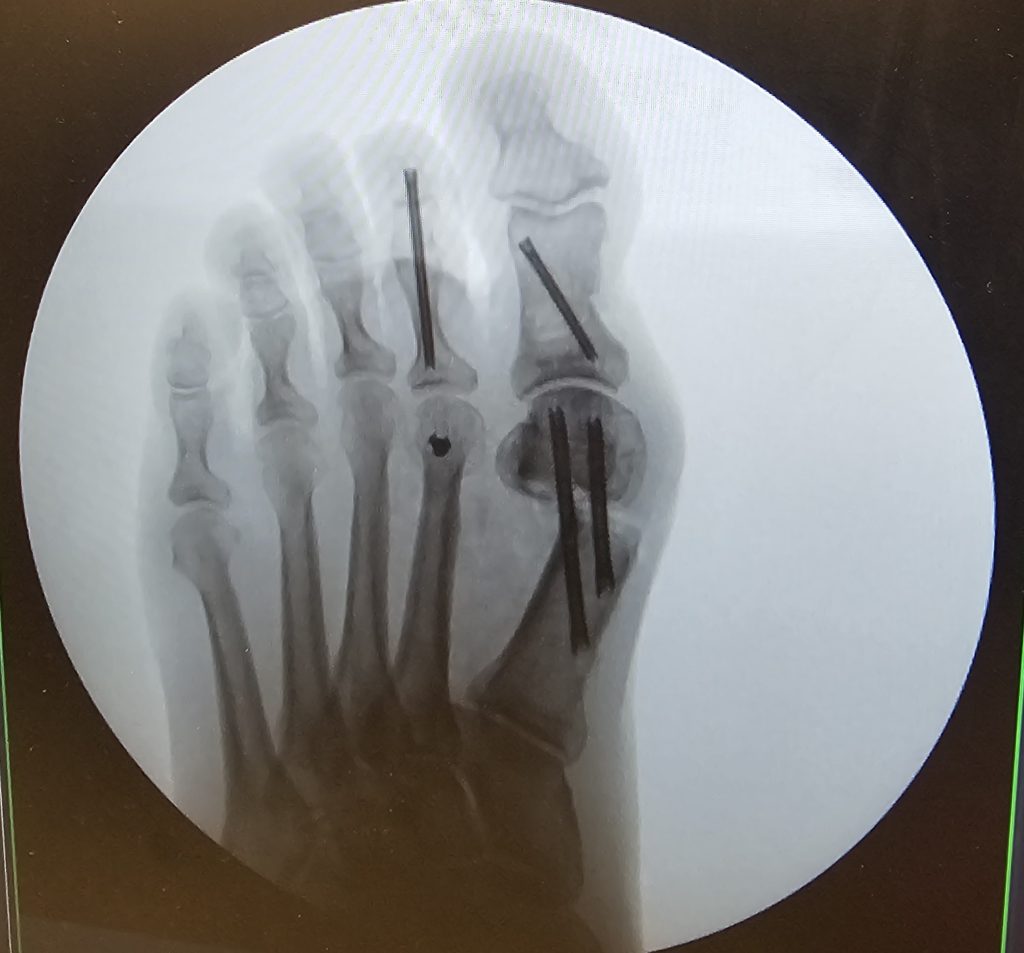
A break is not a detour from the martial path.
It is part of the path.
Just as muscles grow during recovery rather than exertion, longevity is built through intelligent restraint rather than relentless intensity.
The Hidden Danger of “Pushing Through”
Many experienced practitioners fall into a dangerous mindset:
“I’ve trained through worse.”
“It’s just soreness.”
“I can’t lose momentum.”
But after 50, pushing through pain often means pushing deeper into injury.
Temporary stubbornness can create permanent limitations.
Taking a strategic pause today may preserve years of training tomorrow.
Reframing the Break
Instead of asking:
“How do I cope with not training?”
Ask:
“How do I continue my martial journey differently?”
Because the truth is:
The martial path is not limited to physical repetition.
What to Focus On During a Training Break
1. Deepen Mental Training
Your mind remains one of your greatest weapons.
- Visualize techniques and forms
- Study strategy, timing, and distancing
- Rehearse movements mentally with precision
- Analyze past sparring experiences
Mental rehearsal activates many of the same neural pathways as physical practice. Elite athletes use visualization extensively during injury recovery for this very reason.
2. Study the Art
Downtime is an opportunity for intellectual growth.
- Revisit foundational principles
- Study history, philosophy, and theory
- Analyze kata/hyung applications
- Explore biomechanics
Often, forced stillness leads to deeper understanding than years of routine training.
3. Refine Breath and Awareness
Breath training requires no impact, no strain, no joint stress.
- Diaphragmatic breathing
- Meditative practice
- Mindfulness
- Postural awareness
Internal training strengthens focus, emotional regulation, and nervous system balance—qualities central to martial mastery.
4. Strengthen What You Can Safely Train
Even during recovery, there is usually something that can be developed:
- Grip strength
- Core stability
- Mobility (within medical limits)
- Balance drills
- Isometric strength
Adaptation is a martial skill.
5. Heal Without Guilt
Perhaps the hardest discipline is patience.
Healing is not inactivity.
Rest is not laziness.
Recovery demands:
- Sleep
- Proper nutrition
- Stress management
- Respect for medical guidance
Healing well is an investment in future training.
The Psychological Challenge
Breaks can trigger fear:
- Fear of losing skill
- Fear of losing identity
- Fear of falling behind
But consider this:
You do not lose decades of training in a few months.
Skill may dull temporarily, but experience, timing, understanding, and instinct remain deeply embedded.
More importantly, returning healthy is infinitely better than never returning at all.
Longevity Over Ego
After 50, the objective subtly shifts:
From proving toughness
To preserving capability
From intensity
To sustainability
From ego
To mastery
The strongest martial artists are not those who never rest.
They are those who train for life.
A Break Can Be a Turning Point
Many practitioners discover unexpected gifts during time away:
- Renewed appreciation for training
- Deeper technical insight
- Improved patience
- Greater body awareness
- A refined sense of purpose
Stillness often clarifies what motion obscures.
Final Thought: The Path Never Stops
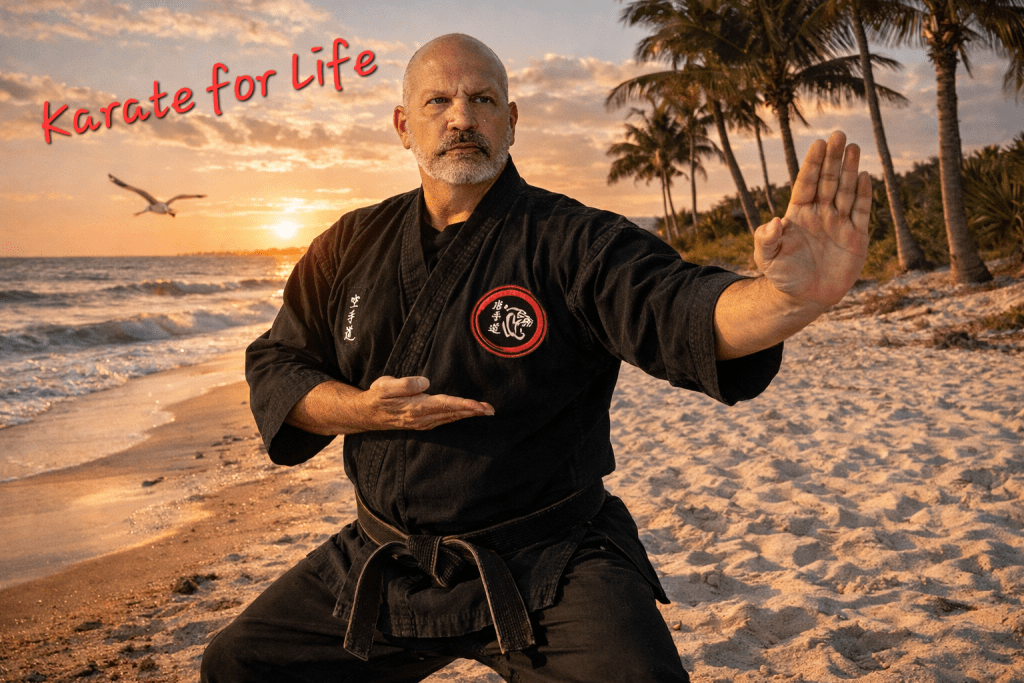
Even when the body pauses, the journey continues.
The martial path is:
- Mental
- Emotional
- Philosophical
- Spiritual
Training is not defined solely by sweat and repetition.
Sometimes the most important growth occurs when we are forced to slow down, listen, and heal.
Because stepping back today…
May be exactly what allows you to keep moving forward for years to come.