

Strength Governed by Faith, Discipline, and Service
The Warrior’s Ethic is not about aggression, dominance, or recognition. It is a commitment to live under restraint, accountability, and purpose. In the Traditional Tang Soo Do I practice and teach, a warrior is not defined by what they can do to others, but by what they choose not to do—and by whom they are willing to stand for when it matters.
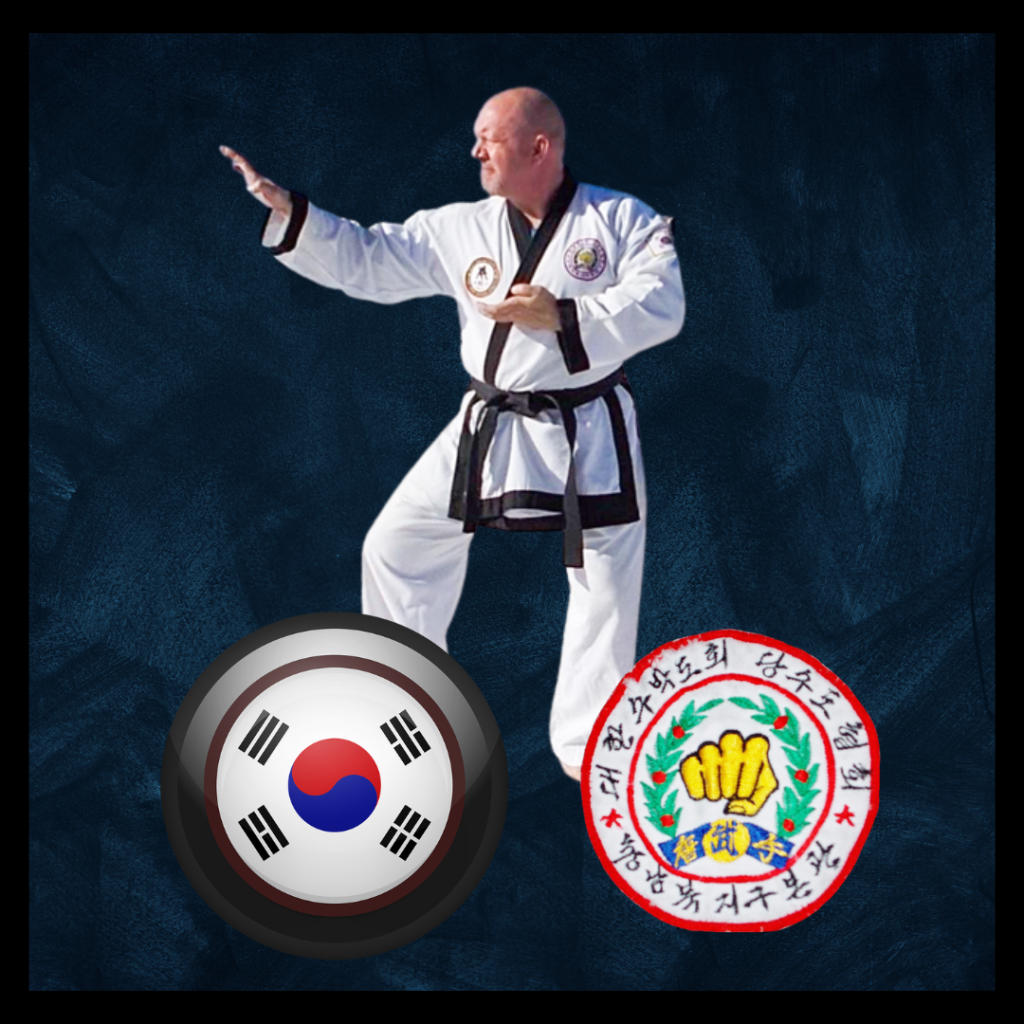
Strength is a gift, not an entitlement. With it comes responsibility. A warrior is called to cultivate discipline so that strength remains under control, guided by conscience, and exercised only when necessary. Power without restraint is dangerous; discipline without humility is hollow.
Faith anchors this ethic. It reminds us that we are accountable not just to instructors, institutions, or society, but to God. Training becomes an act of stewardship—honoring the body, sharpening the mind, and shaping the spirit to act rightly. Progress is measured not by applause or rank, but by obedience to principle and faithfulness in practice.
A warrior holds themselves to a higher standard. This means choosing integrity over convenience, humility over ego, and patience over impulse. It means training honestly, living consistently, and accepting correction without resentment. True discipline reveals itself most clearly when no one is watching.
The Warrior’s Ethic also demands service. Strength exists to protect, not to intimidate. A warrior is called to defend themselves and others when necessary, to stand between harm and the vulnerable, and to bring calm rather than chaos into difficult situations. Courage is not the absence of fear, but the willingness to act righteously despite it.
Restraint is central to this ethic. Not every conflict requires force, and not every challenge requires a response. Wisdom lies in knowing when to act and when to endure. A disciplined warrior seeks peace whenever possible, understanding that the highest expression of strength is often self-control.
This ethic is lived daily. It shows itself in how one works, serves, speaks, and treats others. It governs behavior in private as much as in public. Training is not confined to the floor—it extends into relationships, responsibilities, and decisions made under pressure.
The Warrior’s Ethic is not a title one claims, but a path one walks. It is demanding, quiet, and often unseen. Yet it produces individuals who are steady, principled, and prepared—strong enough to defend, humble enough to serve, and disciplined enough to live honorably.
This is the standard I strive to live by and pass on:
Strength refined by discipline.
Discipline guided by faith.
Faith expressed through service.