A Lifetime on the Martial Path
The martial arts are often spoken of as a path, but the true meaning of that idea only becomes clear after many years of training. What begins as a desire to learn technique gradually develops into something deeper—a lifelong practice of discipline, humility, and continuous improvement.
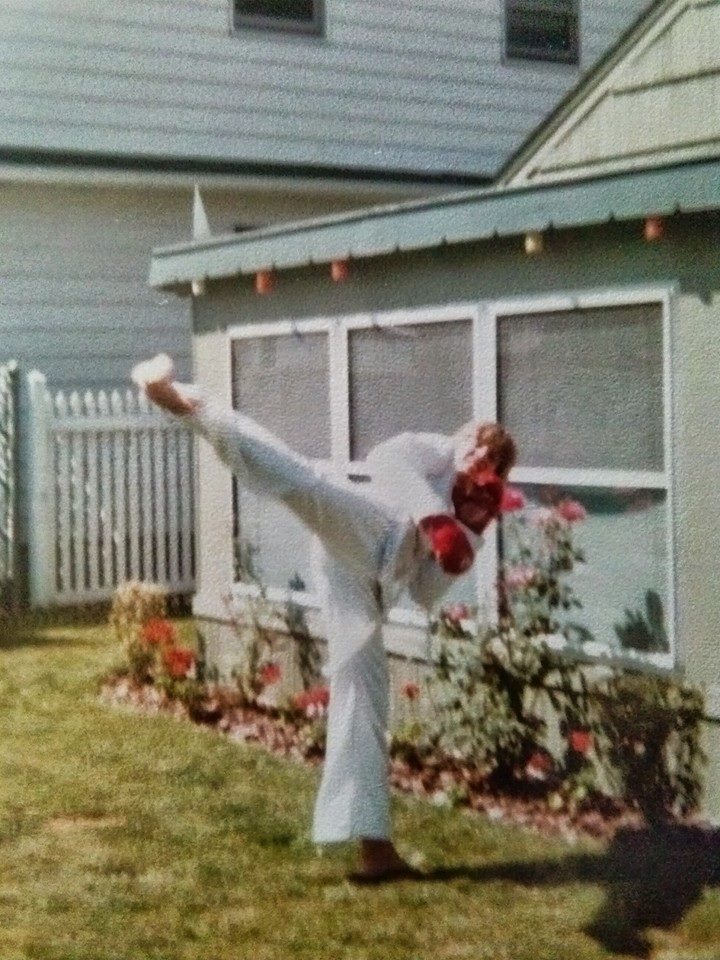
My journey in the martial arts began at age eleven, after sewing the pilot movie for the TV series “Kung Fu”. I began reading every book and magazine I could get my hands on related to martial arts, and there weren’t many. I practiced everything I read in my parent’s basement and in the back yard, all the way until I graduated high school at 18.
My training would officially start in the art of Tang Soo Do Korean Karate after joining the Army and being stationed at Camp Ames, South Korea. I was excited to learn the punches and kicks I saw in movies. Over time, however, I discovered that martial arts offered far more than physical ability. They provided structure, purpose, and a framework for lifelong growth.
From the beginning, I was fortunate to study under the late Yun Tak Bong, whose instruction shaped my understanding of the martial arts in profound ways. His teaching emphasized not only technical precision but also the deeper principles that define traditional training: respect for one’s instructors, perseverance through difficulty, and the understanding that mastery is never truly finished.
Under his guidance, I developed a deep appreciation for the traditions and philosophy that form the foundation of Traditional Tang Soo Do. Training was old school, and never simply about learning movements, competition, or achieving rank. It was about developing character through consistent effort and learning to carry the principles of the martial arts into everyday life.
The Influence of Master Yun
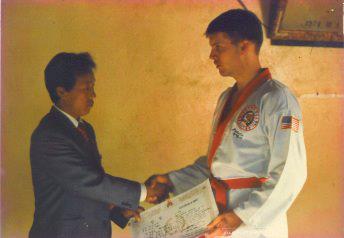
Master Yun’s teaching reflected the spirit of traditional martial instruction—direct, disciplined, and grounded in experience. Students were expected to train with sincerity and dedication, understanding that progress came not through shortcuts but through hard work, patience, and repetition.
The lessons passed down through his instruction extended far beyond the physical techniques of punching, kicking, and forms practice. They included the values that sustain martial arts traditions across generations: humility before knowledge, respect for those who came before us, and the responsibility to preserve what we have been taught.
These principles, and the time spent with him in and out of the dojang, shaped my understanding of Tang Soo Do and guided my years of training and teaching. They remain central to the reflections and writings shared on this website.
Teaching and Sharing the Art
Over the years, my role in the martial arts expanded from student to instructor. I had the opportunity to teach classes, conduct seminars, and guide students through their own beginnings in Tang Soo Do. Teaching reinforced an important truth about martial arts: every instructor is ultimately a link in a chain of transmission.
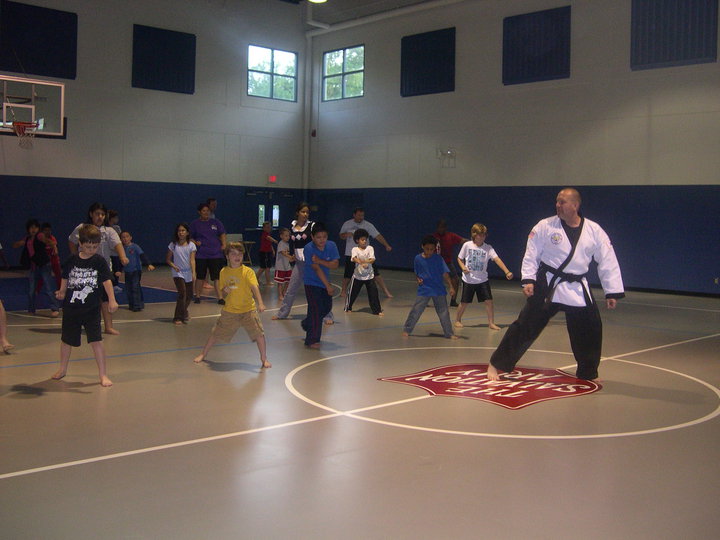
Each generation receives knowledge from those who came before, practices it, refines it through experience, and then passes it forward. In this way, martial arts traditions endure across decades and even centuries.
Helping students begin their journey was both a responsibility and an honor. Watching others discover the discipline and personal growth that martial arts training can provide was one of the most rewarding aspects of teaching.
Broadening the Martial Perspective
Throughout the years I also had the privilege of studying other martial systems under respected instructors and sensei. These experiences broadened my understanding of movement, conditioning, and martial philosophy.
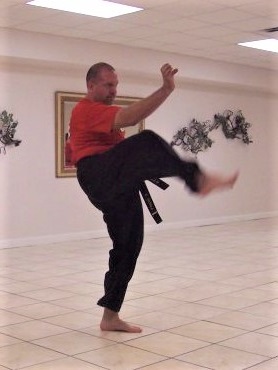
Each system offered different insights into training methods, timing, strategy, and the development of the body and mind. Yet these experiences continually reinforced the solid foundation that Tang Soo Do provided. Rather than replacing those roots, they deepened my appreciation for them.
Over time, these influences contributed to a personal understanding of martial practice—one shaped by tradition, but refined through decades of experience.
From Teaching to Writing
As the years pass, every martial artist eventually reaches a point where the role begins to change. The emphasis gradually shifts from physical instruction toward reflection and preservation.
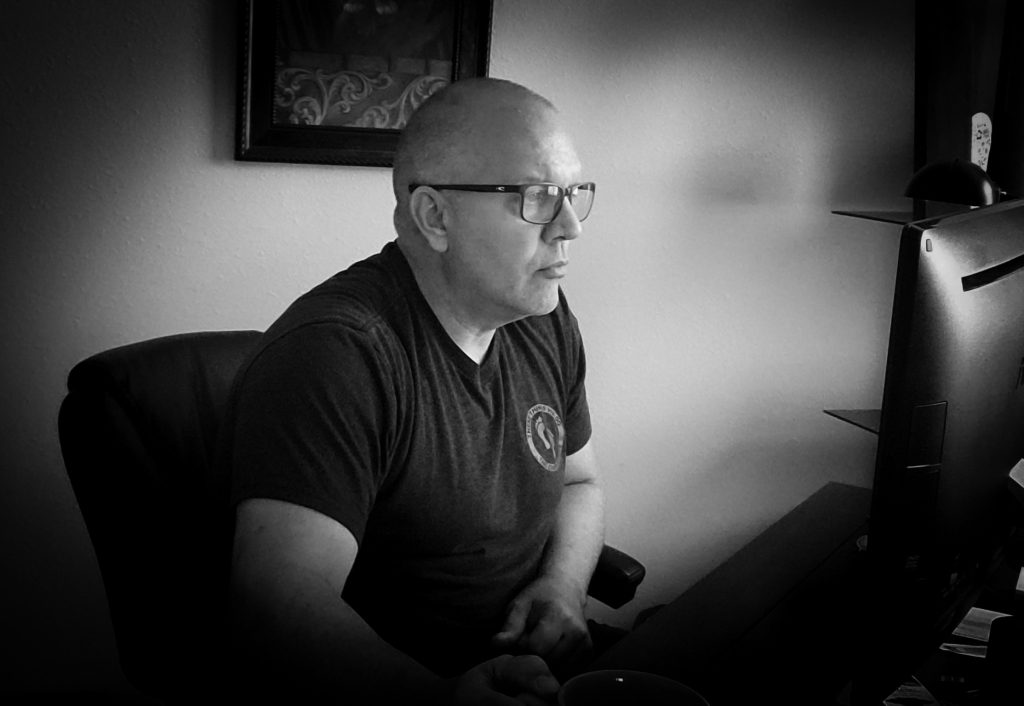
Today my focus is no longer centered on running classes or instructing students in the traditional sense. Instead, my work has turned toward writing—documenting the lessons, training methods, and philosophy developed through a lifetime of martial arts practice.
Through essays and books, I aim to preserve what I have learned through years of study, teaching, and personal training. These writings are intended not as instruction manuals alone, but as reflections on the deeper value of martial arts practice as a lifelong discipline.
Training for Life
One of the most important lessons learned through decades of training is that martial arts were never meant to be limited to youth. Systems such as Tang Soo Do were designed as lifelong practices that can evolve with the practitioner.
As we age, the emphasis of training changes. Power becomes efficiency. Speed becomes timing. Competition gives way to discipline and reflection. The goal becomes not simply to perform techniques, but to maintain strength, mobility, and mental focus for the long journey ahead.
At sixty years of age and two total knee replacements in 2023, the warrior spirit still burns within me as I adapt, evolve, and re-master the techniques and forms that came so easily to me for so many years. Age, injuries, and surgeries, do not mean the end of the journey, it just changes the road you take.
For this reason, much of my writing now explores how martial arts training can support health, fitness, and longevity, allowing practitioners to remain active and engaged with their training for decades.
Preserving the Legacy
Every martial artist carries the influence of their teachers. The lessons received on the training floor are not meant to end with a single generation. They are meant to be preserved, practiced, and shared so that others may continue the journey.
This website exists for that purpose.
It is a place to document the experiences, reflections, and lessons gained through a lifetime in the martial arts. More importantly, it is a way to honor the teachings passed down through my instructor and the traditions that shaped my training.
In this way, the legacy of those lessons can continue to reach others who seek the same path of discipline, growth, and lifelong practice.
The Martial Path Continues
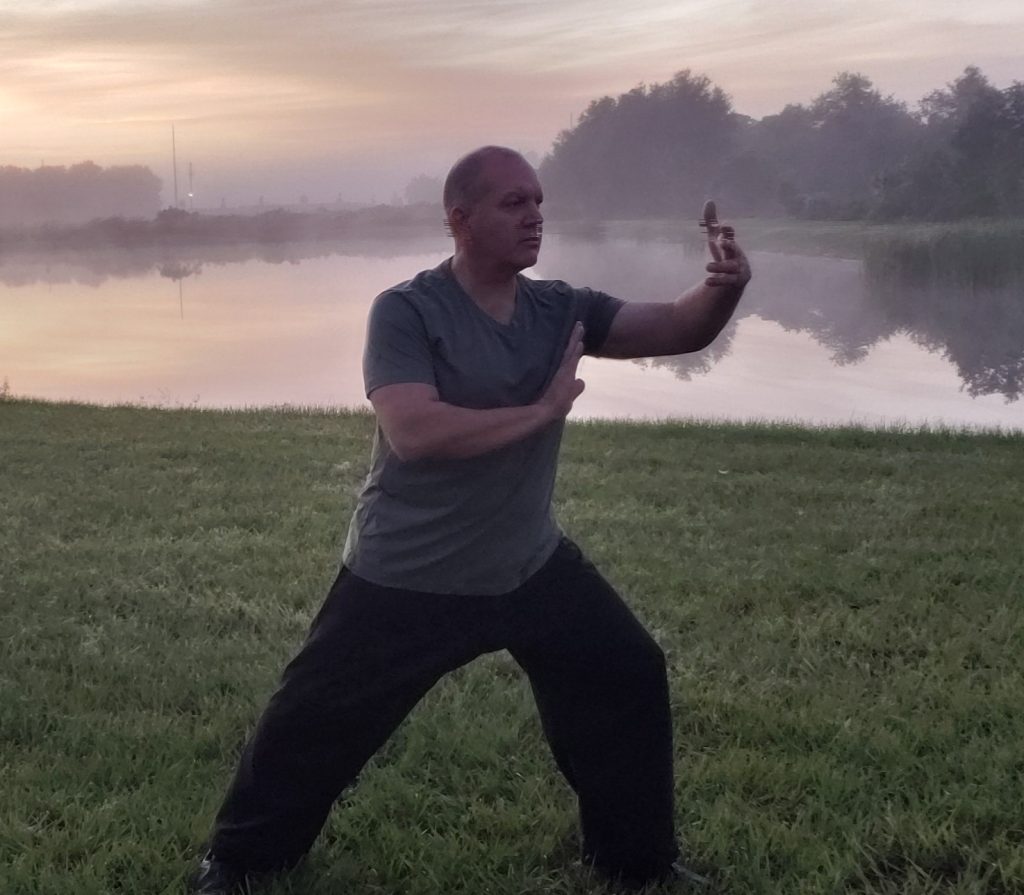
The martial arts are not a destination but a journey that unfolds across the years. Every practitioner walks that path in their own way, guided by the teachers who influenced them and the experiences that shape their understanding.
For me, that path began many years ago in the study of Tang Soo Do and continues today through reflection and writing.
The techniques may change with time, but the principles remain constant.
Respect. Discipline. Perseverance.
These are the lessons that endure—and the legacy that continues to guide the martial path.